This search will show only accessions that have material that may be requested, including those not seasonally available.
You may list accessions with separators (commas or semicolons, as shown below) or by entering them on separate lines, such as
- PI 651794
- PI 651649
- PI 651650
When searching a range of accessions, use the
Advanced Search tab, and select the Accession Identifier Range option in the
Other Search Criteria section.
Scientific name (any part, no hybrid symbols)
Genebank
Country of Origin
Other search criteria:
Your query included:
All accessions
If your results aren't what you expected, try using the Advanced Search tab and filling in more information.
| ACCESSION | PLANT NAME | TAXONOMY | ORIGIN | GENEBANK | IMAGE | AVAILABILITY | RECEIVED | SOURCE TYPE | SOURCE DATE | COLLECTION SITE | COORDINATES | ELEVATION | HABITAT | IMPROVEMENT LEVEL | NARRATIVE | | |
|---|
| 0 | PI 478788 | 'ICGS 11' | Arachis hypogaea L. | Andhra Pradesh, India | S9 | 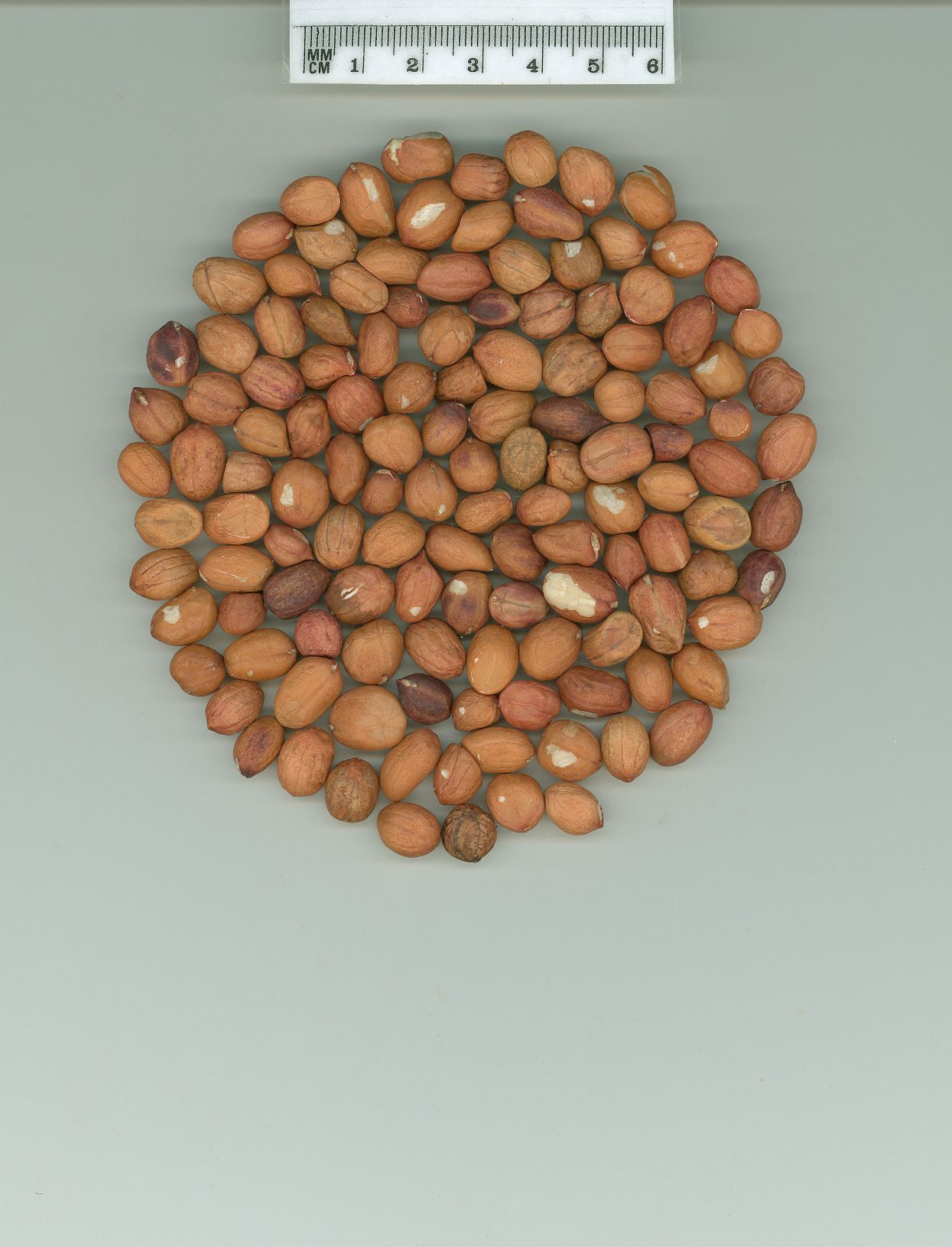 | | 1983 | DONATED | 08/1983 | | | | | | Spreading bunch type. | 1373724 | PI 478788 |
| 1 | PI 421612 | 'Pete' | Tripsacum dactyloides (L.) L. | Kansas, United States | NC7 | | | 1977 | DONATED | 11/30/1977 | | | | | Cultivar | Released in 1988 by the USDA-SCS in cooperation with the Kansas and Oklahoma Agricultural Experiment Stations and the USDA-ARS. Pete was developed as a composite of 70 accessions originating as seed from native populations in Kansas and Oklahoma. The composite was advanced through three generations by combine harvesting and replanting of open-pollinated seed. Pete was evaluated as PMK-24 and was released as germplasm under that designation in 1974. Pete closely resembles wild strains of eastern gamagrass in Kansas and Oklahoma. The expected area of use of Pete includes the eastern third of Nebraska, the eastern halves of Kansas and Oklahoma, and adjacent areas of Iowa, Missouri, and Arkansas. The cultivar can be grown farther west on irrigated or subirrigated sites. Successful stands of Pete have been established as far east as New York. Pete is suited for pasture, hay, and reestablishment of native prairie on sites where eastern gamagrass occurred naturally. At Woodward, OK, dry-matter yields (oven-dry weight) ranged from 5.0 Mg ha-1, during the establishment year, to 22.6 Mg ha-1 in the third year. Average in vitro dry-matter digestibility at first harvest at Woodward was 631 g kg-1. Pete was approved for certification by the National Grass Variety Review Board. | 1318036 | PI 421612 |